Introduction: Scarf or Shawl, How to Tell the Difference?
The foulard (scarf) and écharpe (shawl/muffler) are two essential accessories in our wardrobe, but although they are often confused, they present significant differences. Materials, size, usage, seasonality: these two textile pieces each have their own characteristics that make them suitable for different occasions and needs.
Whether you are looking for an elegant accessory to enhance a spring outfit or effective protection against winter cold, understanding the difference between a foulard and an écharpe will help you make the right choice.
In this comprehensive guide, we detail all the distinctions between these two accessories: their origins, their technical characteristics, their uses according to the seasons, and our advice for choosing the one that best suits your needs. Also discover our suggestions for scarves to complete your collection! 🧣✨

-30% off with code BLOG30
The ultimate scarf format 🔲
📖 Article Summary
- 1. What is a Scarf (Foulard)? Definition and History
- 2. What is a Shawl (Écharpe)? Definition and History
- 3. Comparison Table: Foulard vs. Écharpe
- 4. Differences in Size and Shape
- 5. Differences in Materials
- 6. Differences in Use and Style
- 7. Seasonal Differences
- 8. How to Choose Between a Foulard and an Écharpe?
- 9. Hybrid Accessories: Stole and Pashmina
- 10. Conclusion: The Right Accessory for Every Occasion
1. What is a Scarf (Foulard)? Definition and History

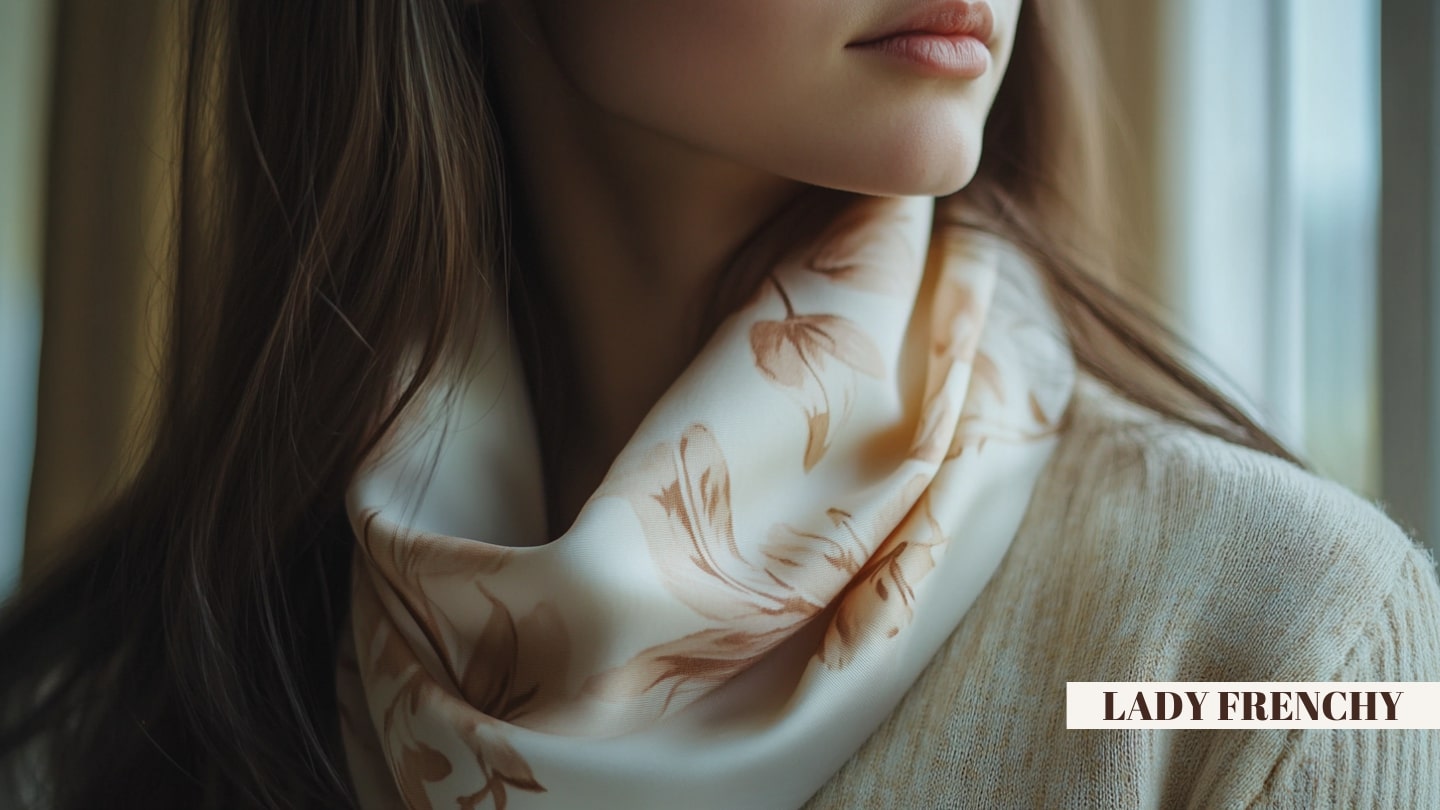
The foulard is a lightweight fashion accessory, generally designed to be worn around the neck, but also on the head, wrist, or as a handbag accessory. To discover its fascinating history, check out our article on the history of the scarf.
📜 Origin of the Word
The word "foulard" comes from the Provençal "fòulat", itself derived from the Latin "fullare" which means "to full" (wool). It originally referred to a light silk fabric made in India.
✨ Characteristics of the Foulard
- Shape: Generally square (from 50x50 cm to 90x90 cm) or thin rectangular
- Materials: Satin, silk, light cotton, thin polyester
- Thickness: Thin and light
- Main function: Fashion and elegance accessory
- Seasons: All year round, especially spring-summer
👗 Uses of the Foulard
- Around the neck (many tying options)
- In the hair (headband, turban, bun)
- On a handbag
- On the wrist
- As a belt
To discover all the ways to wear it, check out our guide how to wear a scarf with style.
2. What is an Écharpe (Shawl/Muffler)? Definition and History

The écharpe is a thicker and generally longer textile accessory, designed primarily to protect from the cold. Its role is primarily functional, although it can also be a style element.
📜 Origin of the Word
The word "écharpe" comes from the Frankish "skirpa" which meant "shoulder bag". Originally, the écharpe was a band of fabric worn diagonally across the chest as a distinctive sign (mayor's sash, military sash).
🧣 Characteristics of the Écharpe
- Shape: Long rectangular (from 150 cm to 200+ cm)
- Width: 20 to 40 cm generally
- Materials: Wool, cashmere, acrylic, thick cotton
- Thickness: Thick and warm
- Main function: Protection against cold
- Seasons: Autumn and winter
❄️ Uses of the Écharpe
- Wrapped several times around the neck
- Worn long with ends dangling
- Tied in different ways for more warmth
- Sometimes used to cover the head (in very cold weather)
3. Comparison Table: Foulard vs. Écharpe

Here is a summary table of the main differences:
| Criterion | 🧣 Foulard | 🧶 Écharpe |
|---|---|---|
| Shape | Square or thin rectangular | Long rectangular |
| Dimensions | 50x50 to 90x90 cm | 150-200 cm x 20-40 cm |
| Thickness | Thin and light | Thick and warm |
| Materials | Silk, satin, fine cotton | Wool, cashmere, acrylic |
| Function | Fashion and elegance | Protection against cold |
| Seasons | All year (spring-summer) | Autumn-winter |
| Versatility | Very versatile (neck, hair, bag) | Mainly around the neck |
| Average Price | €15 to €100+ | €20 to €200+ (cashmere) |

-30% off with code BLOG30
More tying possibilities 📏
4. Differences in Size and Shape

Size and shape are the most visible differences between a foulard and an écharpe:
🧣 The Foulard
- Square shape: 50x50, 70x70, 90x90 cm
- Thin rectangular shape: 150x30 cm
- Compact and easy to fold
- Fits in a handbag
- Lightweight (50-150g)
🧶 The Écharpe
- Long rectangular shape
- Length: 150 to 200+ cm
- Width: 20 to 40 cm
- More volume
- Heavier (200-500g)
📐 Scarf Size Guide
- Small scarf (50x50 cm): Ideal for neck, wrist or bag
- Standard scarf (70x70 cm): The classic versatile format
- Large scarf (90x90 cm): More tying possibilities
- Long scarf (150x30 cm): Lightweight shawl effect
5. Differences in Materials

The materials used largely define the difference between these two accessories:
🧣 Foulard Materials
- Silk: Luxurious, soft, shiny. Discover how to wear a silk scarf
- Satin: Shiny, smooth, affordable - also ideal for sleeping with a scarf
- Light cotton: Breathable, perfect for summer
- Fine polyester: Easy care, durable
- Muslin: Ultra-light and fluid
🧶 Scarf Materials
- Wool: Warm, insulating, natural
- Cashmere: Luxurious, soft, very warm
- Acrylic: Economical, mimics wool
- Thick cotton: For mid-season
- Mohair: Lightweight and very warm
🔬 Compared Properties
| Property | Scarf | Shawl |
|---|---|---|
| Warmth | Low ❄️ | High 🔥 |
| Breathability | Excellent ⭐⭐⭐ | Average ⭐⭐ |
| Care | Delicate (silk) | Variable (wool) |
For care, consult our guide how to wash a silk scarf.
6. Differences in Use and Style

The use and style of these accessories differ considerably:
🧣 Scarf Use: Fashion Versatility
The scarf is a fashion accessory with multiple possibilities:
- Around the neck: 15+ ways to tie it
- In the hair: Headband, turban, bun
- On a bag: Trendy accessory
- As a belt: Original alternative
- Hostess style: Professional look
- As a tie: Chic androgynous style
🧶 Scarf Use: Functional Protection
The scarf primarily has a functional role:
- Neck protection: Against cold and wind
- Thermal insulation: Maintains body heat
- Winter accessory: Complements coats and jackets
- Style element: Adds color to dark winter outfits
👗 For Which Outfits?
🧣 The Scarf with...
- Black dress
- Colored dress
- Blouse or shirt
- Office suit
- Casual chic outfit
🧶 The Shawl with...
- Winter coat
- Puffer jacket
- Leather jacket
- V-neck sweater
- Casual outfit
7. Seasonal Differences

Seasonality is a major distinction between these two accessories:
🌸 Spring
- Scarf: ✅ Perfect! Light, colorful, ideal for mid-season
- Shawl: ⚠️ Early spring only, if temperatures are cool
☀️ Summer
- Scarf: ✅ Excellent! Sun protection, summer style, hair accessory
- Shawl: ❌ Too warm, unsuitable
🍂 Autumn
- Scarf: ✅ Early autumn, slightly thicker materials
- Shawl: ✅ From October, protection against coolness
❄️ Winter
- Scarf: ⚠️ Under a closed coat, or as an addition
- Shawl: ✅ Essential! Maximum protection against the cold
For winter weddings, discover how to dress elegantly with a scarf or stole.

-30% discount with code BLOG30
Elegant and easy to care for ✨
8. How to Choose Between a Scarf and a Shawl?

The choice depends on several criteria:
🎯 Choose a SCARF if...
- ✅ You are looking for an elegant fashion accessory
- ✅ You want a versatile accessory (neck, hair, bag...)
- ✅ The season is mild (spring, summer)
- ✅ You prefer light and fluid materials
- ✅ You like to vary ties and styles
- ✅ You are looking for an accessory for the office or ceremonies
❄️ Opt for a SHAWL if...
- ✅ You need protection against the cold
- ✅ The season is cold (autumn, winter)
- ✅ You prefer functionality over pure style
- ✅ You are looking for a warm and cozy accessory
- ✅ You wear winter coats or jackets
💡 The Ideal Solution
It's best to have both in your wardrobe:
- Several scarves of different colors for the warmer seasons
- One or two quality shawls for winter
- Possibly a stole or pashmina for in-between occasions
To choose the perfect color, consult our guide which scarf color to choose.
9. Hybrid Accessories: Stole and Pashmina
Between the scarf and the shawl, there are hybrid accessories that combine the advantages of both:
🎀 The Stole
- Dimensions: Large and rectangular (approx. 70x200 cm)
- Materials: Silk, satin, light muslin
- Use: Over the shoulders for evenings and ceremonies
- Season: Spring, summer, air-conditioned indoors
🧶 The Pashmina
- Dimensions: Large, lightweight scarf (approx. 70x200 cm)
- Materials: Cashmere or fine wool
- Use: Versatile - shoulders, neck, head
- Season: All year round (depending on thickness)
🧣 The Snood / Neck Warmer
- Shape: Closed circular tube
- Materials: Wool, fleece, jersey
- Use: Quick and practical protection
- Season: Autumn-winter
10. Conclusion: The Right Accessory for Every Occasion
In summary, the difference between a scarf and a shawl mainly lies in:
- 📐 Size: Compact scarf vs. Long shawl
- 🧵 Materials: Light and fluid vs. Thick and warm
- 🎯 Function: Fashion and elegance vs. Thermal protection
- 🌡️ Seasonality: All year round vs. Autumn-winter
The scarf is the ultimate fashion accessory: versatile, elegant, it can be worn in a thousand ways and adds a chic touch to any outfit. The shawl, on the other hand, is the essential ally for cold days, combining protection and winter style.
Ideally, integrate both accessories into your wardrobe to be prepared for all situations! Explore our collection of scarves to find what you're looking for 🧣✨
🧣 Discover our Scarf Collection! 🧣
Elegant, versatile and perfect for all seasons
View All Scarves →