Introduction: Should You Tie Your Hair Up at Night?
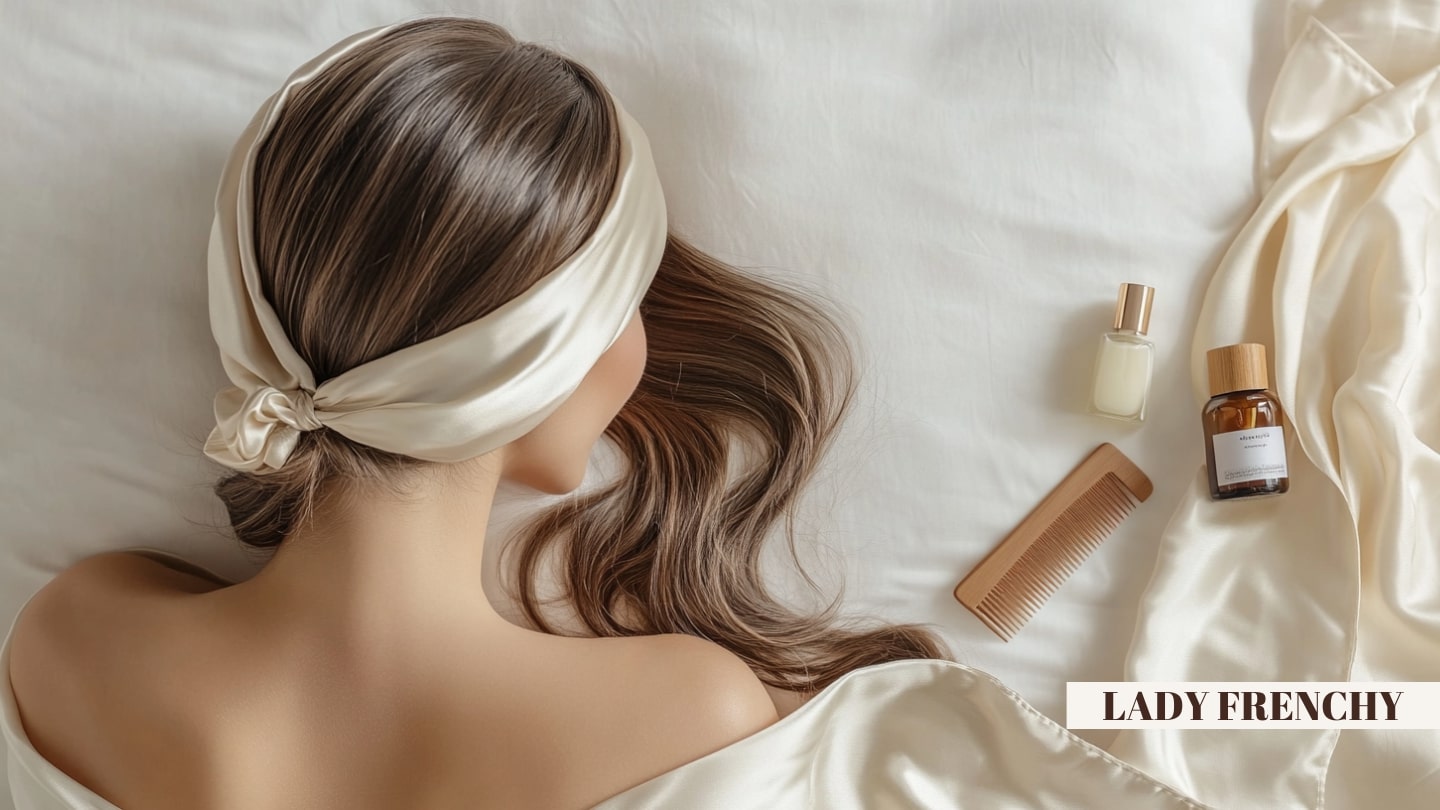
Are you wondering should you tie your hair up at night? This question often comes up for those looking to preserve the health and beauty of their hair while sleeping.
Tying your hair up or not at night can have a significant impact on its condition: knots, breakage, frizz, but also maintaining hairstyles and hydration. The answer depends on your hair type and your goals!
In this comprehensive guide, discover the advantages and disadvantages of this practice, the best tying techniques, and effective alternatives to protect your hair while you sleep.
Also check out our complementary guides on how to protect your hair at night and how to wear a scarf in your hair. 🌙✨

-30% off with code BLOG30
Perfect for protecting your hair at night 🌙
📖 Article Summary
1. Why Tie Your Hair Up at Night?

Tying your hair up at night offers several significant advantages:
🌙 Nighttime: A Critical Time for Your Hair
While sleeping, you move an average of 30 to 50 times per night! These movements create friction between your hair and the pillow, causing knots, breakage, and frizz. Tying your hair up can significantly reduce this nocturnal damage.
Anti-Knot
Prevents tangles
Anti-Breakage
Reduces friction
Hydration
Retains moisture
Hairstyle
Preserves style
🔗 Knot Prevention
Nighttime movements tangle hair, especially long or curly hair. A bun or braid prevents these knots, making styling much easier upon waking and reducing breakage during detangling.
💪 Breakage Reduction
Constant friction between hair and pillow weakens the hair cuticle and causes breakage. By tying your hair up, you reduce this friction by 80% according to some studies.
💧 Hydration Retention
Tied and protected hair retains its natural moisture better. This is even more effective if you apply a leave-in treatment before sleeping. See grow your hair overnight.
💇♀️ Hairstyle Protection
If you have curls, a blowout, or a specific hairstyle, tying them up helps to preserve their shape overnight. Wake up with your curls intact! See curly hair overnight.
💡 Who is it Recommended For?
Nighttime tying is particularly beneficial for:
- ✅ Long hair (beyond the shoulders)
- ✅ Curly or wavy hair
- ✅ Fine and fragile hair
- ✅ Treated hair (colored, bleached)
- ✅ People who move a lot in their sleep
2. Disadvantages to Be Aware Of
Tying your hair up at night is not without potential disadvantages:
Tension
If too tight
Marks
Visible elastic bands
Discomfort
Difficulty sleeping
If excessive practice
Tying too tightly puts excessive tension on hair follicles. In the long run, this can weaken the roots and even cause traction alopecia. The key: always tie loosely.
Elastic bands can leave visible marks on hair upon waking, especially if you have straight or fine hair. Solution: use fabric or silk elastic bands.
Some people find hair ties uncomfortable during sleep, especially high buns. In this case, opt for a low bun or a side braid.
Repeatedly tying too tightly can cause traction alopecia (hair loss at the temples and hairline). This is why the tying technique is crucial.
Consult if you notice:
- ❌ Scalp pain upon waking
- ❌ Hair breaking at the root
- ❌ Thinning at the temples
- ❌ Nighttime headaches related to tying
These signs indicate that your hair tie is too tight or that you should opt for an alternative.

-30% off with code BLOG30
The perfect accessory 👜
3. Correct Tying Techniques

If you choose to tie your hair, here are the correct techniques:
Loose Bun
High or low, without tightening
Holds without tangling
Ideal for curls
Maximum protection
Gather your hair into a bun, either high or low, but without pulling too tight. The bun should hold without putting pressure on the roots. Secure with a fabric or satin scrunchie – never a rubber band! See chic bohemian bun.
A single or double braid keeps your hair in place while preventing tangles. Bonus: you'll wake up with natural, gentle waves! Don't braid too tightly at the root.
Ideal technique for curly hair: gather your hair into a very high, very loose bun on top of your head. This position preserves the volume and shape of your curls.
For textured hair, twists (two-strand twists) are perfect. They protect while defining curls. Create several twists all over your head.
🎗️ The Right Accessories
Scrunchies or satin/silk hair ties don't pull on hair and don't leave creases. They are the essential accessory for nighttime tying.
If you don't have a scrunchie, at least use hair ties without metal parts that could snag and break your hair.
Soft plastic or silicone clips can hold a braid or bun without damaging your hair. Avoid metal clips.
Your tie is correct if:
- ✅ You can fit a finger between the hair tie and your hair
- ✅ You feel no tension on your scalp
- ✅ The bun/braid can move slightly
- ✅ You are comfortable sleeping
4. Adapt According to Hair Type
The best technique depends on your hair type:
Braid or low bun
Braid or pineapple
Pineapple or twists
Twists or scarf
Straight hair tangles less but is more prone to hair tie marks. Opt for a loose braid or a low bun with a satin scrunchie. Avoid ties that are too tight.
To preserve your waves, a braid or pineapple is ideal. The braid will even enhance your waves when you wake up! Protect with a scarf for added effectiveness.
The pineapple is THE technique for curls! This very high, loose bun preserves the volume and definition of curls. Complement with a scarf or a satin bonnet. See curly hair.
Twists, bantu knots or simply a satin scarf are perfect. These techniques protect fragile hair while styling it for the next day.
If your hair is too short to tie, opt instead for a satin bonnet or a silk pillowcase. These alternatives offer protection without tying.
5. The Scarf: Protective Accessory

The satin or silk scarf is the ultimate accessory for nighttime protection:
A satin or silk scarf combines all the advantages: it reduces friction, retains moisture, protects hairstyles AND can be used with or without tying. It's THE versatile solution for all hair types!
Satin and silk create a smooth surface that reduces friction by 90% compared to cotton. Your hair glides instead of rubbing, which prevents frizz and breakage.
Unlike cotton, which absorbs moisture, satin and silk retain your hair's hydration. Your leave-in treatments remain effective all night long.
Curls, blowouts, straightening... The scarf preserves the shape of your hairstyle by gently enveloping it. Wake up with the same style as the day before!
Scarves are available in many colors and patterns. You can be protected AND stylish, even while sleeping! See scarf in hair.
Wrap your hair entirely in the scarf, like a turban. This method offers maximum protection, with or without prior tying.
Create your bun or braid, then wrap the scarf around it for double protection. The scarf holds the tie AND protects against friction.
If you don't like tying your hair, the scarf alone is enough! Wrap your loose hair in the scarf to protect it without tying. See protect hair at night.

30% off with code BLOG30
Perfect for wrapping your hair 🌸
6. Alternatives to Tying

If you prefer not to tie your hair, here are some effective alternatives:
Protection without tying
Protective pillow
Wrap hair
Oils and serums
A satin sleep bonnet protects your hair without tying it. It envelops the entire head of hair and reduces friction with the pillow. Perfect for those who find ties uncomfortable.
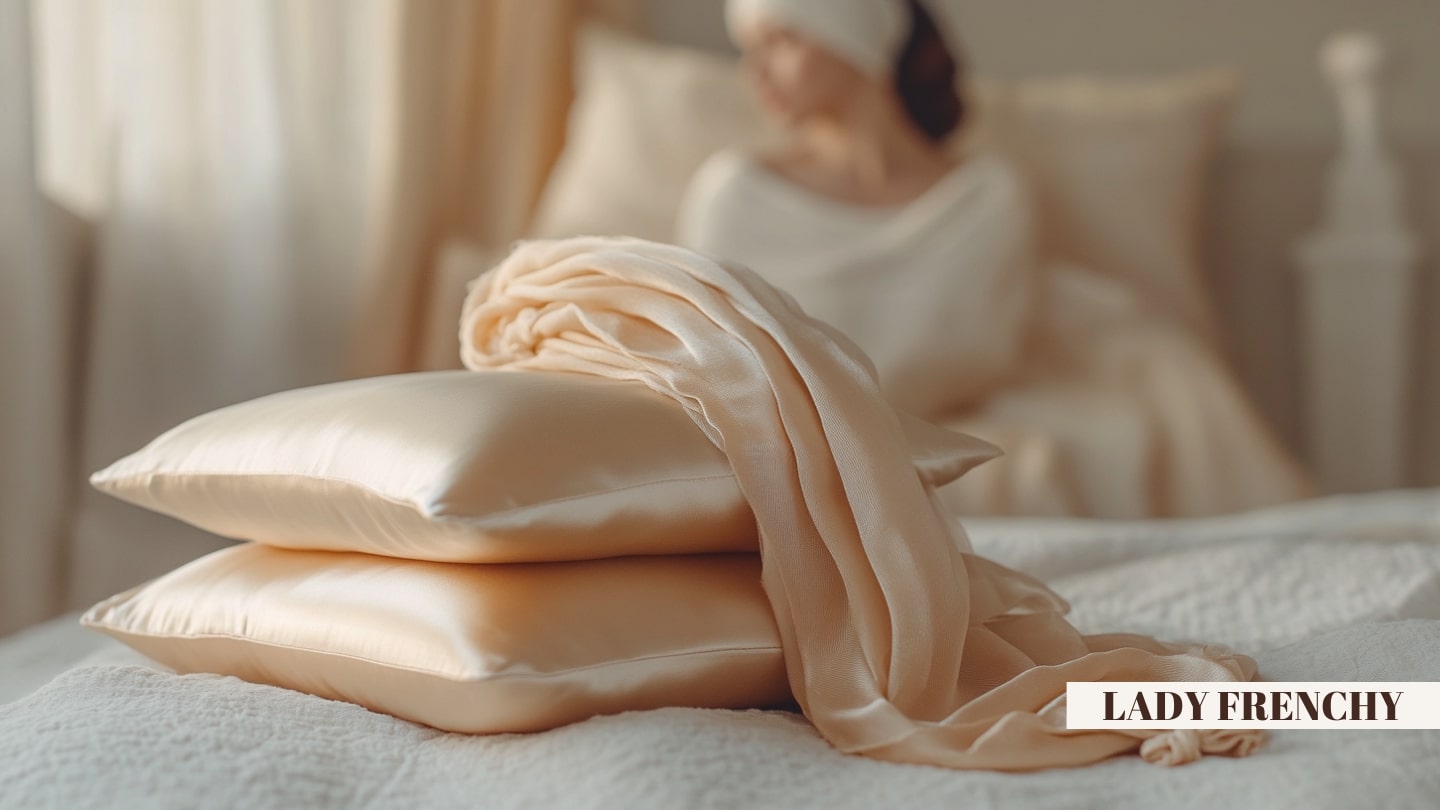
If you don't like tying or wearing a bonnet, a satin pillowcase is the minimalist solution. It reduces friction and prevents knots, even with loose hair.
Simply wrap your loose hair in a satin scarf. This method offers protection and hydration without any tension on the roots.
Apply a serum, light oil, or leave-in conditioner before bed. These treatments nourish your hair overnight and make it more resistant to friction.
| Solution | Protection | Comfort | Ease |
|---|---|---|---|
| Hair Tie + Scarf | ⭐⭐⭐⭐⭐ | ⭐⭐⭐ | ⭐⭐⭐ |
| Satin Bonnet | ⭐⭐⭐⭐ | ⭐⭐⭐⭐ | ⭐⭐⭐⭐⭐ |
| Silk Pillowcase | ⭐⭐⭐ | ⭐⭐⭐⭐⭐ | ⭐⭐⭐⭐⭐ |
| Scarf Only | ⭐⭐⭐⭐ | ⭐⭐⭐⭐ | ⭐⭐⭐⭐ |
7. Complete Nighttime Routine
Here is a complete nighttime routine to protect your hair:
Gently detangle your hair with a wide-tooth comb or a detangling brush. Start from the ends and gradually work your way up to the roots.
Apply a serum, light oil, or leave-in conditioner to the lengths and ends. Avoid the roots to prevent weighing down the hair.
Choose your technique according to your hair type: loose bun, braid, pineapple, or twists. Use a satin or fabric hair tie.
Wrap your hair in a satin scarf or wear a sleep bonnet. Alternatively, make sure you have a satin pillowcase.
No time for the full routine? At a minimum, do this:
- ✅ A quick braid or pineapple
- ✅ A satin scarf around your hair
These two steps are enough for effective nighttime protection!
8. Mistakes to Avoid

To protect your hair, avoid these common mistakes:
The most common mistake! A tie that is too tight causes tension, breakage, and eventually traction alopecia. Your tie should be loose and comfortable.
Rubber bands pull on hair and cause breakage. Always opt for fabric, satin, or metal-free hair ties.
Wet hair is more fragile and elastic. Wait for it to dry or simply use a scarf to protect it when damp.
Dry hair is more prone to breakage. Apply a leave-in treatment before bed to nourish and protect your lengths.
Even with a hair tie, a cotton pillowcase creates friction. Invest in a satin or silk pillowcase for optimal protection.
Tying your hair in the same spot every time can weaken that area. Vary the position: a high bun one night, low the next, a braid the night after...
9. Conclusion: The Answer
So, should you tie your hair at night? The answer depends on you:
- You have long hair (beyond the shoulders)
- Your hair is prone to tangles
- You move a lot while sleeping
- You want to preserve a hairstyle (curls, blowout)
- You are willing to use soft hair ties and a loose tie
- You have short hair
- Hair ties are uncomfortable for you
- You feel tension on your scalp
- You prefer to sleep with loose hair
➡️ In this case, opt for a satin bonnet, a silk pillowcase, or a scarf without tying.
The main thing is to protect your hair from nighttime friction, whether with a proper tie, a scarf, or a satin pillowcase. Experiment to find what works best for you!
Explore our collection of satin scarves to protect your hair and discover all our models in the complete collection! 🌙✨
To go further, discover how to care for your hair and how to protect your hair at night.